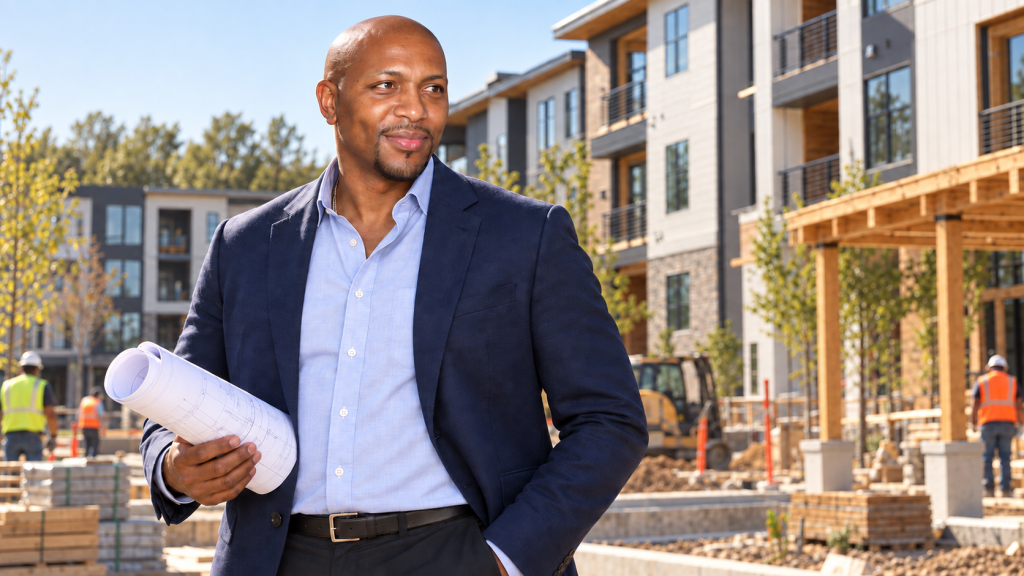
A spacecraft and a real-estate development are very different systems. They share one management truth: a local decision can create consequences across the entire project.
The interfaces carry the risk
In space systems engineering, a subsystem does not succeed by performing well on its own. It must operate within the constraints of the observatory, exchange information correctly, and remain compatible with adjacent systems. Development projects have their own interfaces: land use and design, civil engineering and utilities, financing and schedule, construction and operations.
Many project failures begin between disciplines rather than inside one discipline. A design assumption may conflict with a utility condition. A financing timeline may not match the permitting path. A construction decision may increase operating costs for years. The developer’s job is to keep those connections visible before they become expensive.
Requirements should reflect the operating mission
A development brief should describe more than what will be built. It should define how the property is expected to operate, who will use it, what revenue assumptions matter, and which constraints cannot be violated. Without that clarity, each consultant can complete a technically acceptable scope while the combined project drifts away from its economic purpose.
At Integrity Investments Group, I use the operating plan to test design choices and capital decisions. The goal is to understand whether the completed property can produce dependable income, support its debt, and serve residents as intended. A feature that looks attractive on a rendering still has to work within the maintenance budget, staffing model, and leasing strategy.
Reviews should occur before commitments harden
Engineering reviews are most valuable when the team can still change the design. The same principle applies to development. A late discovery may be technically solvable, but the solution can consume contingency, delay financing, or force a compromise elsewhere.
Early reviews should test the site plan against zoning, utilities, access, constructability, budget, and the intended operating model. They should also identify which assumptions remain unverified. This does not guarantee a smooth project. It helps the sponsor distinguish manageable risk from risk that has not yet been understood.
Configuration matters in development too
Development teams generate repeated versions of surveys, civil plans, architectural drawings, budgets, schedules, and lender requirements. Decisions become unreliable when participants work from different versions or when an approved change does not reach every affected discipline.
A controlled record of the current plan, the basis for each change, and the resulting cost or schedule impact gives the team a common reference. It also improves accountability. When conditions change, the sponsor can evaluate the effect on the full project rather than allowing each participant to solve only the portion they can see.
Long-term value depends on operations
Space missions are designed around what must happen after launch. Real-estate projects should be designed around what must happen after construction. Leasing, maintenance, utilities, resident experience, insurance, and debt service determine whether the asset fulfills its purpose.
Systems engineering did not give me a formula that removes development risk. It gave me a disciplined way to see risk, document assumptions, and connect technical choices to the operating mission. That method now guides how I evaluate projects and how I lead teams through difficult decisions.
About Ben Teasdel III
Ben Teasdel III is a multidisciplinary space-systems engineer and technical leader with more than 20 years supporting NASA’s Hubble Space Telescope program. He is also the founder and chief executive of Integrity Investments Group, where he applies systems thinking to real-estate development and long-term asset operations.


Leave a Reply