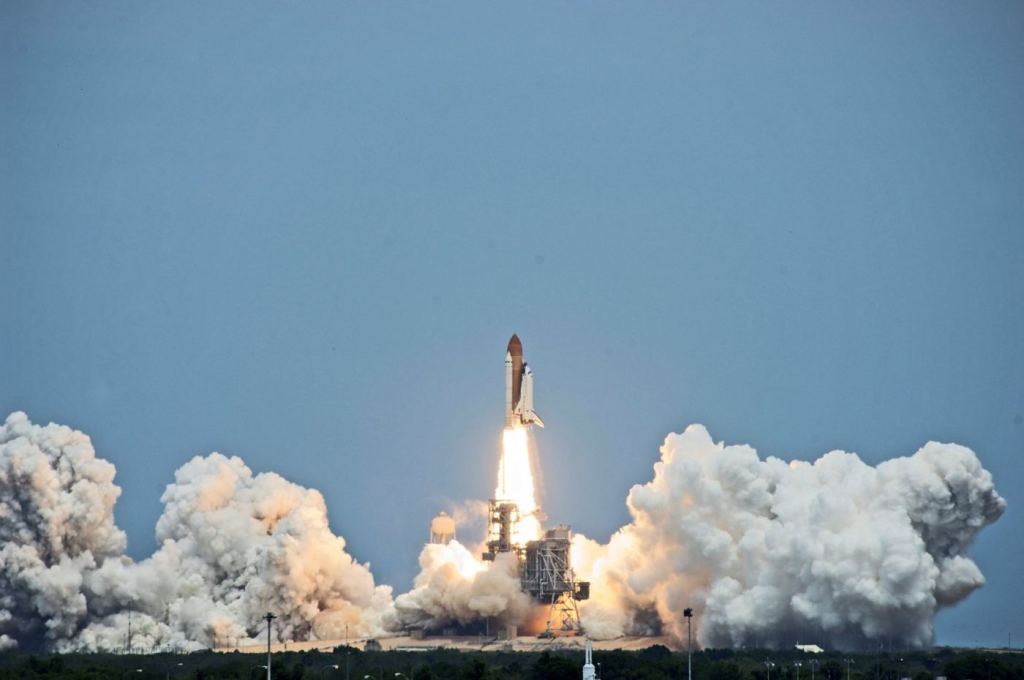
A successful readiness review should confirm the work. It should not be the first time the team discovers whether the work holds together.
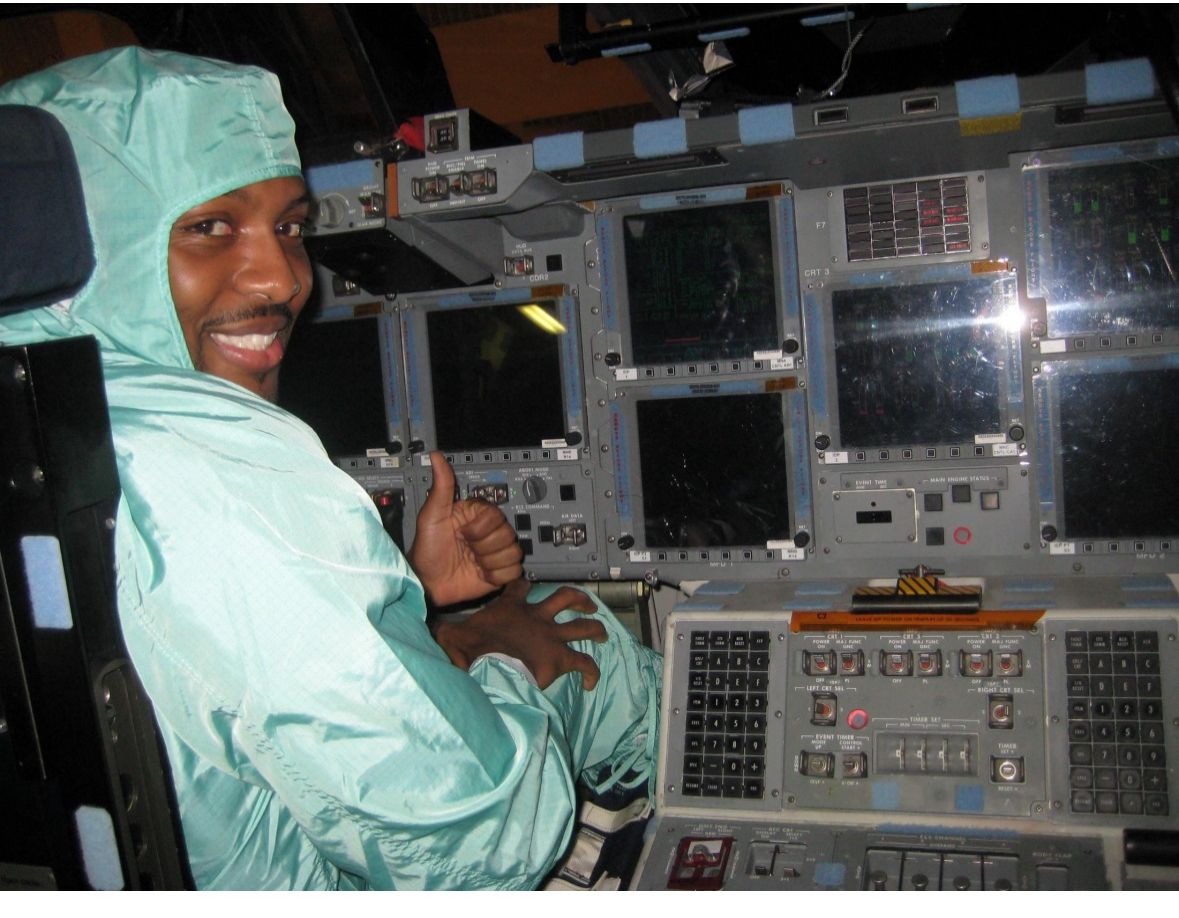
The review is the visible part of readiness
During my years supporting NASA’s Hubble Space Telescope program, readiness was built through work that most people outside mission operations never saw. Engineers developed tests, reviewed procedures, examined telemetry expectations, tracked configurations, and discussed what would happen if the observatory responded differently than expected. The formal review mattered, but its value depended on everything that happened before the meeting.
That experience changed how I think about preparation. A review date can create urgency, but a calendar cannot create readiness. Readiness comes from evidence that the system, the procedures, and the people are prepared to perform together.
Testing must answer operational questions
A test is useful when it reduces uncertainty that matters to the mission. It should show whether the proposed change performs within documented limits, whether connected systems remain protected, and whether operators can recognize the expected response. A test that proves only that software executed or hardware moved leaves important questions unanswered.
This is why integrated testing carries so much weight in complex environments. A subsystem can behave correctly in isolation and still create trouble at an interface. The test plan must reflect the way the system will actually be used, including the sequence of commands, the surrounding configuration, the available telemetry, and the recovery options if results differ from expectations.
Configuration discipline protects the evidence
Test results lose value when the team cannot establish which configuration produced them. Software versions, parameter settings, command sequences, and ground-system assumptions must remain traceable. Otherwise, a successful result may not apply to the configuration that will be used in operations.
Configuration control can feel administrative when everything is going well. Its purpose becomes clear when engineers must reconstruct why a result changed or determine whether an anomaly is new. A disciplined record shortens that investigation and prevents the team from debating facts that should already be known.
A good review makes uncertainty visible
Readiness does not require pretending that every risk has disappeared. It requires stating what has been verified, what remains uncertain, and what controls are available. Senior leaders need a recommendation they can act on. They also need to understand the evidence behind it and the conditions that could change it.
The strongest reviews I supported allowed specialists to challenge assumptions without turning disagreement into a contest. Questions improved the decision because the team shared the same objective: protect the observatory and execute the work responsibly.
Preparation creates calm under pressure
When an unexpected condition occurs, the team falls back on the quality of its preparation. Clear telemetry expectations help people recognize the condition. Documented constraints narrow the acceptable responses. Practiced procedures reduce hesitation. Defined decision authority prevents confusion about who can act.
No plan eliminates uncertainty. Preparation gives qualified people a reliable starting point when the plan meets reality. That is the practical meaning of readiness, whether the mission involves a spacecraft, a software release, or a high-stakes business decision.
About Ben Teasdel III
Ben Teasdel III is a multidisciplinary space-systems engineer and technical leader with more than 20 years supporting NASA’s Hubble Space Telescope program. He is also the founder and chief executive of Integrity Investments Group, where he applies systems thinking to real-estate development and long-term asset operations.


Leave a Reply