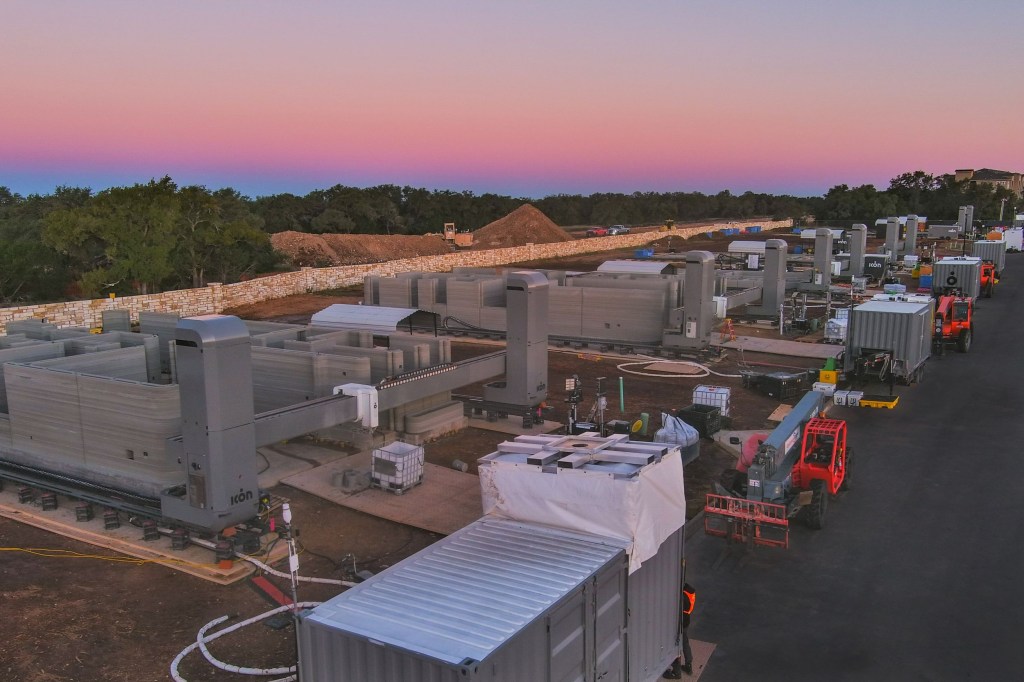
When I talk about real estate in space, I am not talking about selling lots on the Moon. I am asking a more practical question: what must be built, operated, maintained, and paid for before people can work away from Earth for long periods?
Infrastructure comes before an address
On Earth, a usable building depends on far more than its walls. It needs power, water, communications, environmental controls, access, maintenance, emergency procedures, and an operating budget. The same logic applies to a station in orbit or, eventually, a lunar habitat. The difference is that in space, a failed interface may carry an immediate safety consequence.
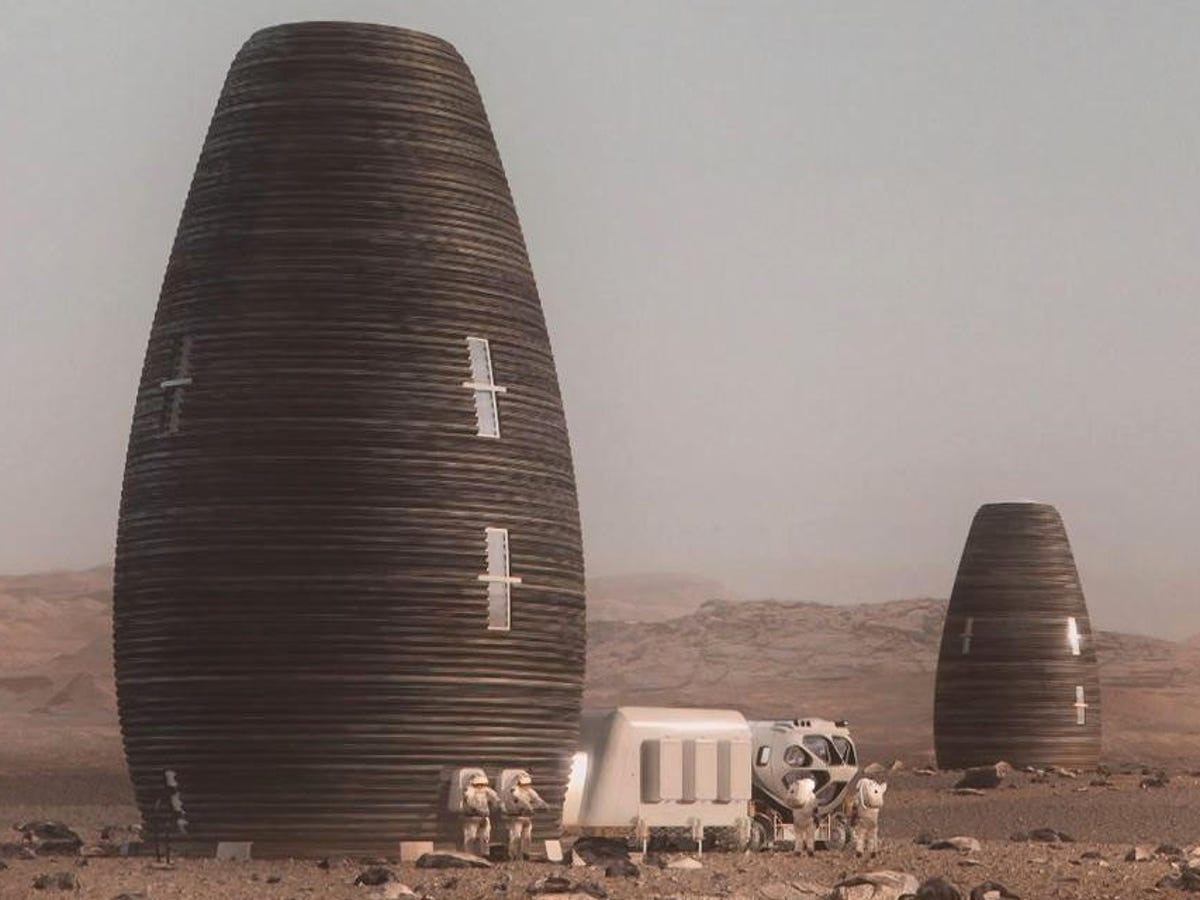
That is why I think “real estate in space” is a useful way to frame an engineering problem, provided we are precise about the phrase. We can discuss facilities, occupancy, construction, service contracts, and lifecycle operations today. Land ownership or a conventional property market beyond Earth raises different technical and legal questions and is not the premise of this article.
Design for the people who will operate it
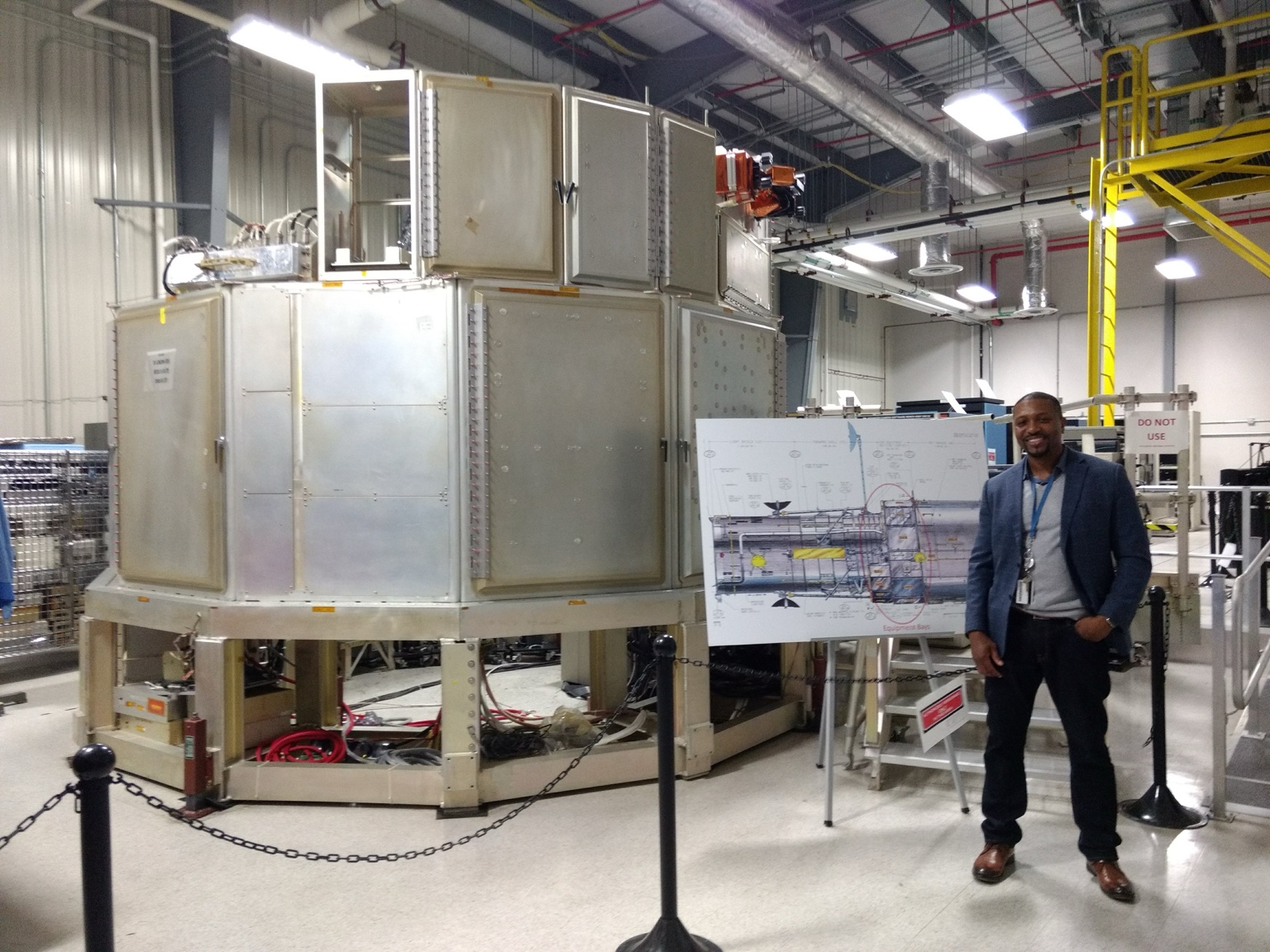
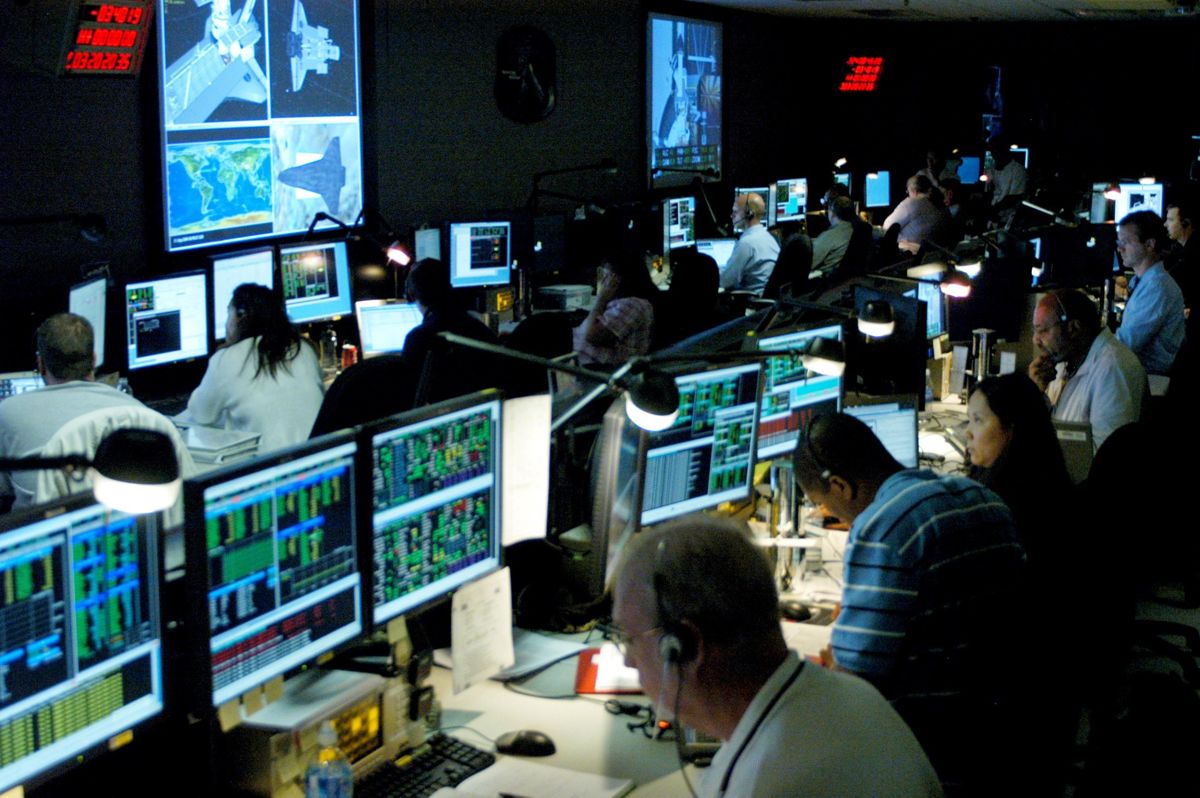
My experience supporting the Hubble Space Telescope program taught me to look beyond a successful deployment. Long-lived systems need clear configuration records, tested procedures, reliable communications, anomaly response, and a way to transfer knowledge to the next team. Those requirements do not disappear once a facility is occupied. They become daily operating work.
An orbital research facility must support life and scientific work at the same time. Air, power, thermal control, data, storage, maintenance access, crew schedules, and visiting vehicles all compete for resources. The design should make those demands visible early. Operators need to know what the facility can safely support, what has changed, and how a local modification affects the rest of the system.
The development lesson is in the interfaces
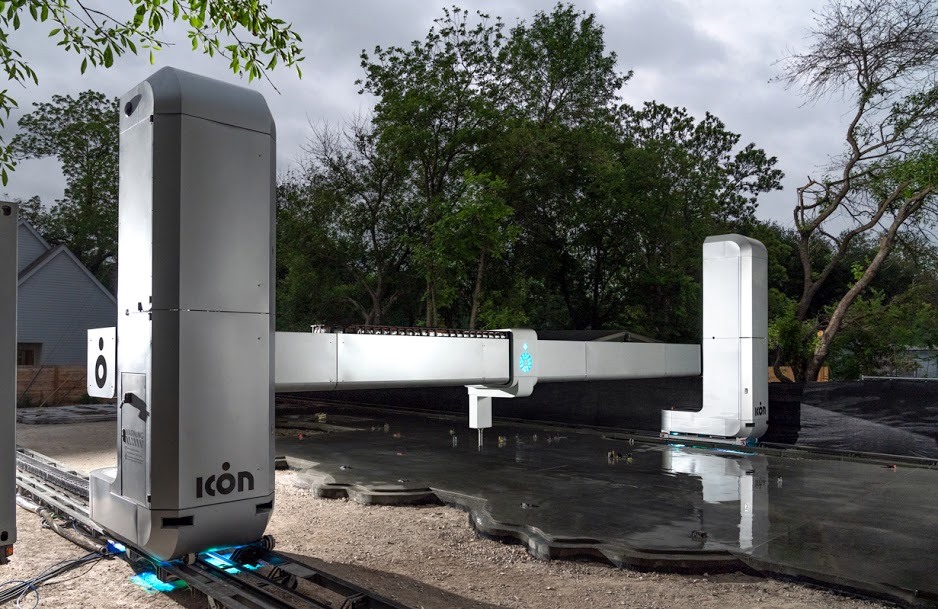
In terrestrial real estate, I ask how the building will actually run after construction: how residents enter, how utilities are metered, how maintenance is dispatched, what operating costs recur, and which design choices affect dependable cash flow. In space, the same habit of tracing interfaces becomes even more consequential. A habitat is connected to its transportation, logistics, communications, power, and emergency capabilities.
A designer may optimize one subsystem while placing a hidden burden on another. Extra equipment requires power, cooling, storage, training, and replacement planning. A research mission may require access or data capacity the original operating concept did not anticipate. Good systems engineering exposes those dependencies before they become operational surprises.
A facility is a service, not just an object
The economic question is not simply what it costs to assemble a station or habitat. It is what dependable service the facility can provide over time and what it costs to keep that service available. Science users may need predictable experiment time and data delivery. Commercial users may need repeatable access, safety processes, and clear responsibility for their equipment. Crews need an environment that remains maintainable when a part fails.
Those needs suggest an operating model built around availability, capacity, service quality, maintenance, and reserves. The specific financing and commercial terms will vary. The general lesson is familiar to anyone who develops and operates property: construction completion is one milestone; durable value depends on operations after opening.
Build credibility before scale
I am excited by the possibility of more people working in orbit and, eventually, on the lunar surface. I am also cautious about timelines and promotional claims. A responsible roadmap should demonstrate one capability at a time: safe use, traceable configuration, maintainable systems, practical resupply, and demand for the service provided.
The strongest opportunity for people with backgrounds in space systems and development is to help make that roadmap executable. Engineers can define and verify interfaces. Operators can turn test results into procedures. Developers can ask whether facilities are fit for use across their whole life. Leaders can make sure technical risk reaches the people making schedule and capital decisions.
That is what I mean by real estate in space: the disciplined creation and stewardship of places where people can do useful work. The vision matters. The operating details are what will make it real.
About Ben Teasdel III
Ben Teasdel III is a multidisciplinary space systems engineer and technical leader with more than 20 years supporting NASA’s Hubble Space Telescope program. He also applies systems thinking to real estate development and long-term property operations. References to NASA describe professional experience and do not imply NASA endorsement.

